El Faro - Medellin, Colombia
In 2016, I visited residents of the informal neighborhood El Faro in Medellín as part of a cooperation project focused on water access. The people I met were mostly internally displaced persons who had fled rural areas of Colombia due to violence and insecurity. The project aimed to better understand local water-related challenges and to work together with the community on possible solutions.

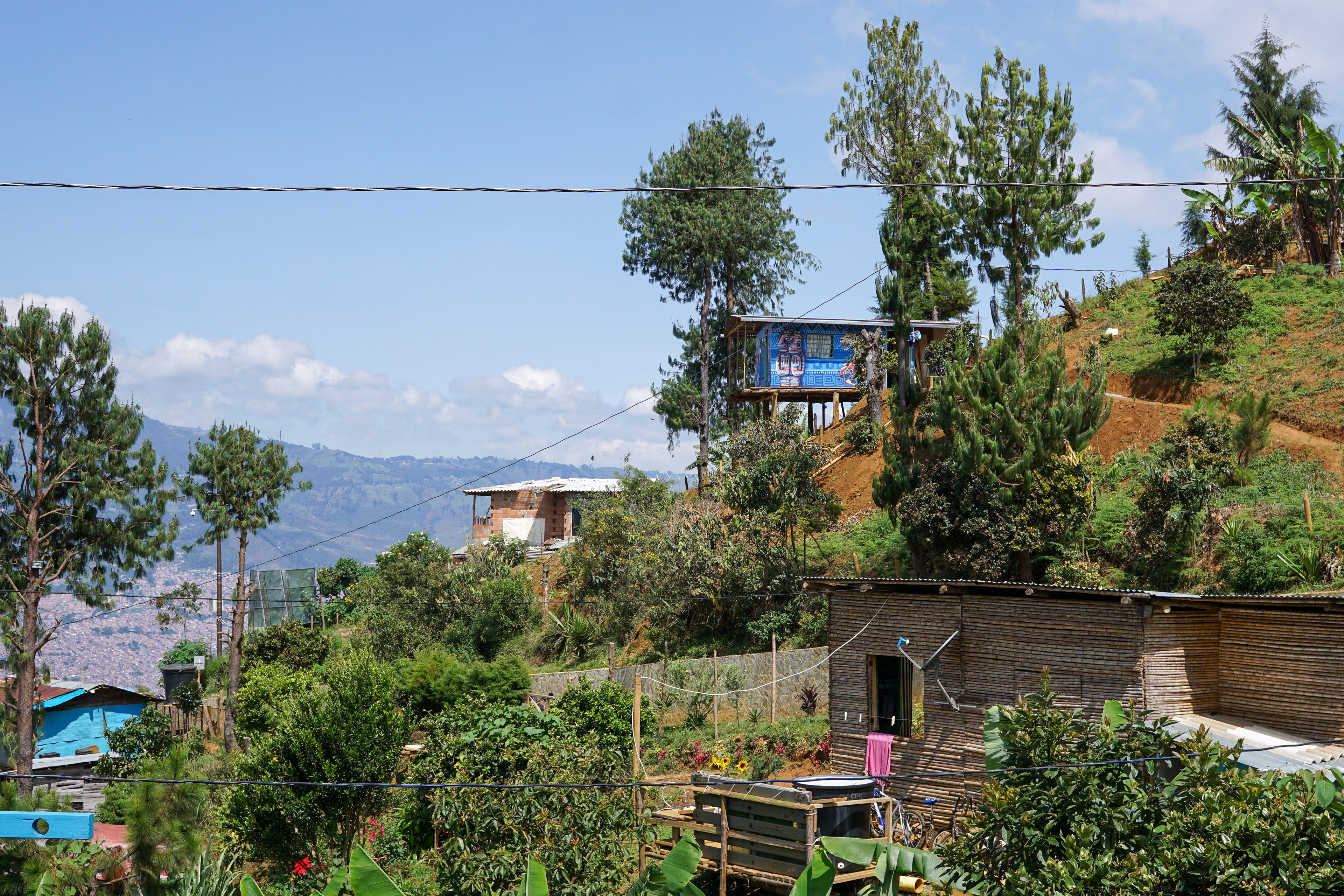
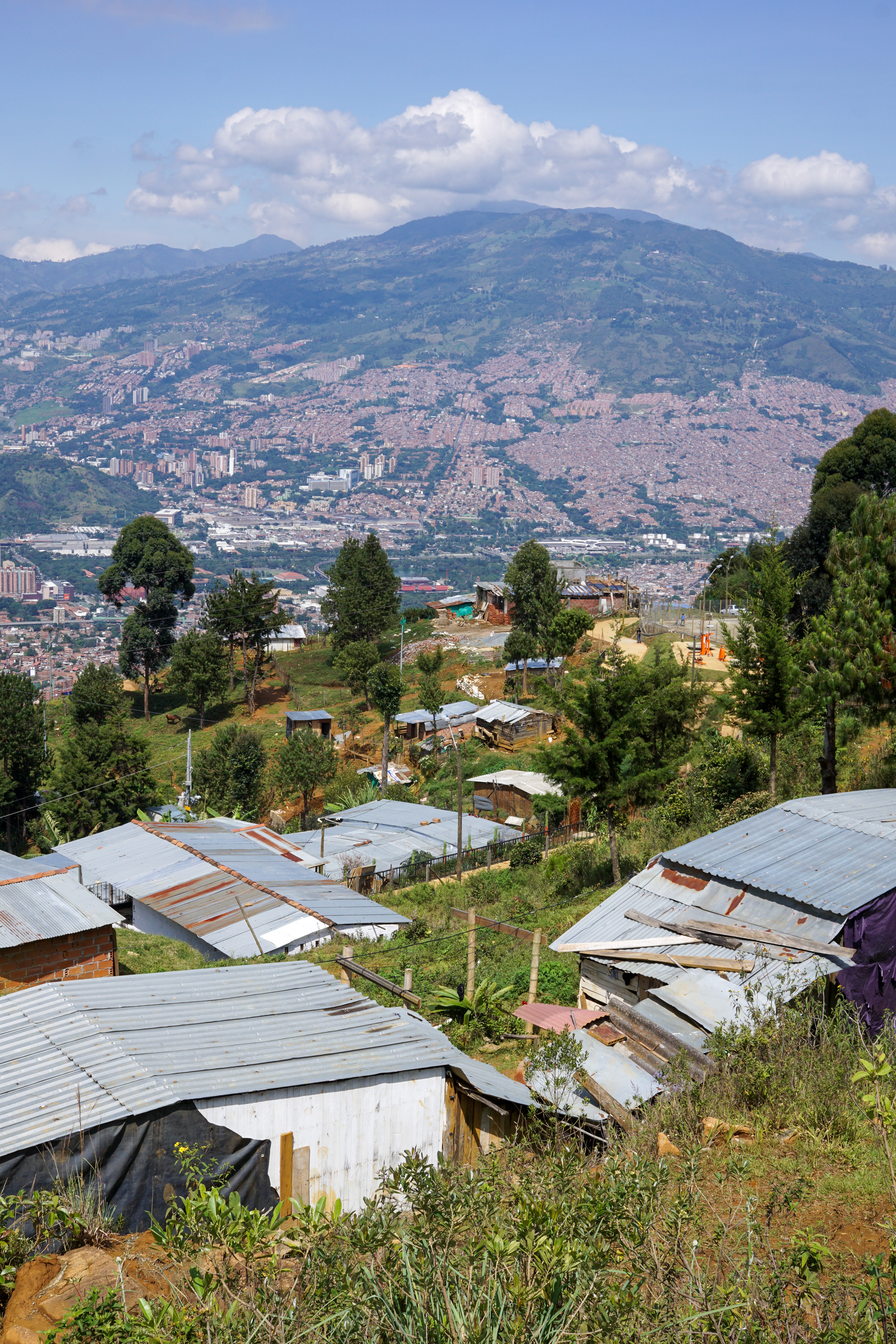
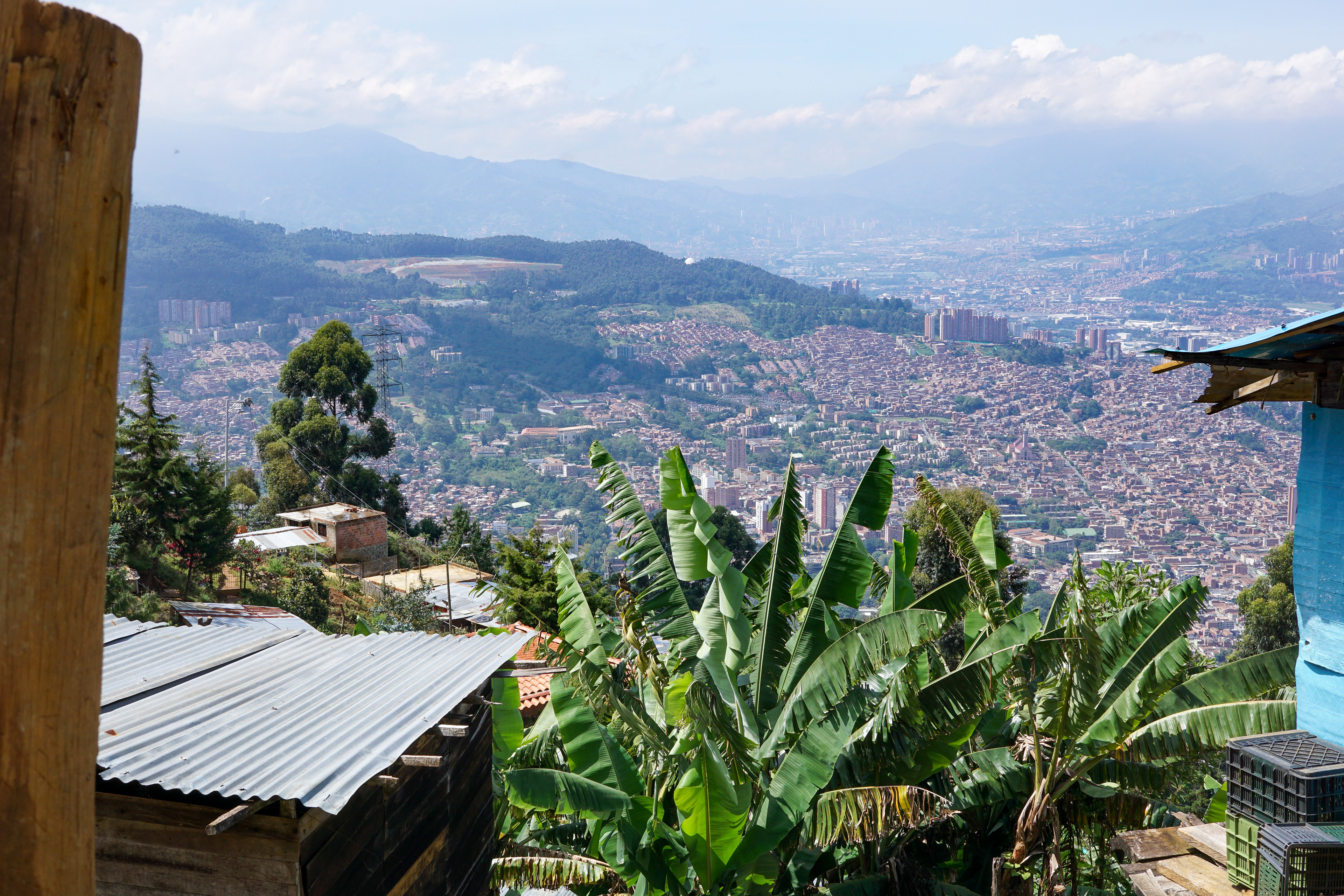
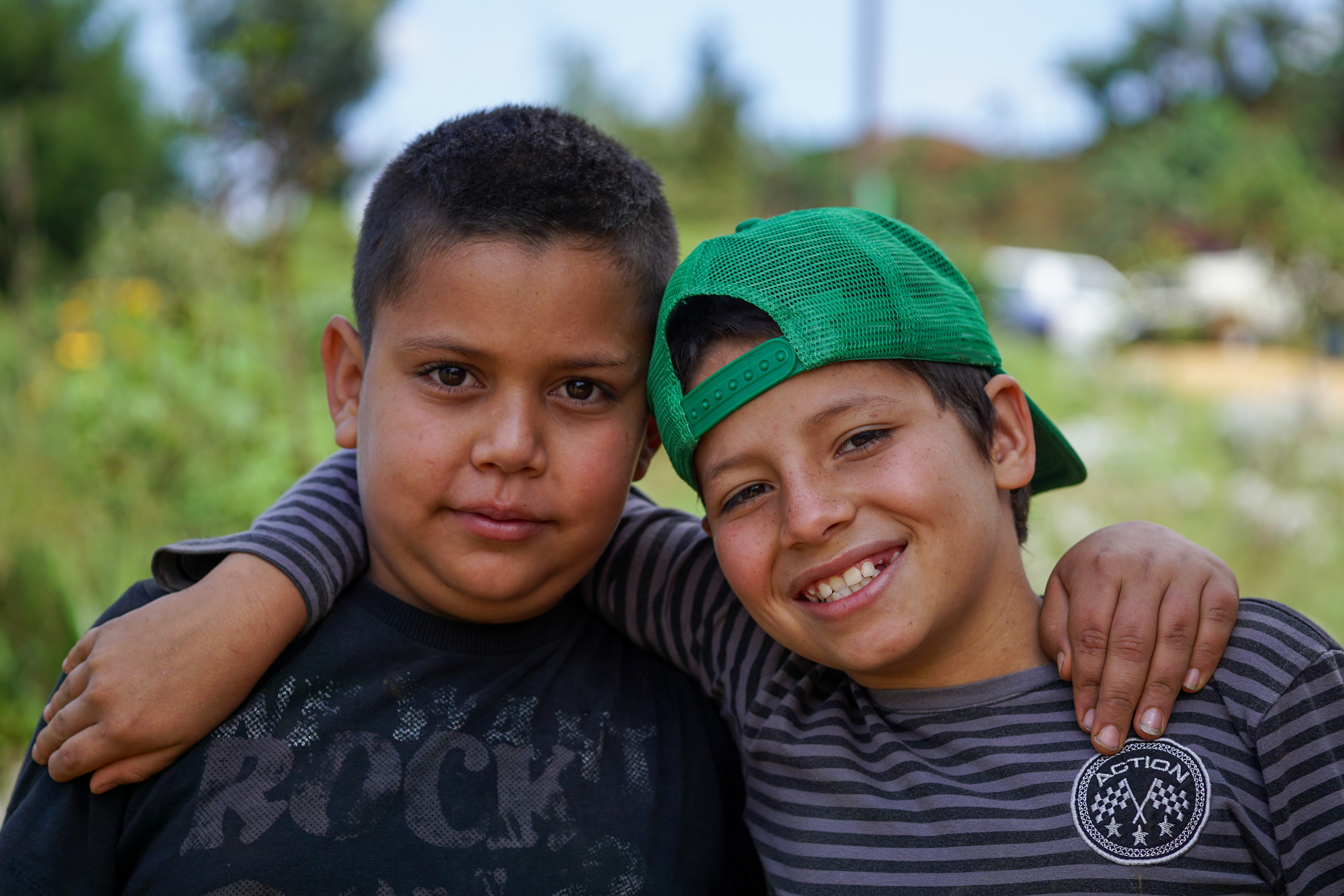
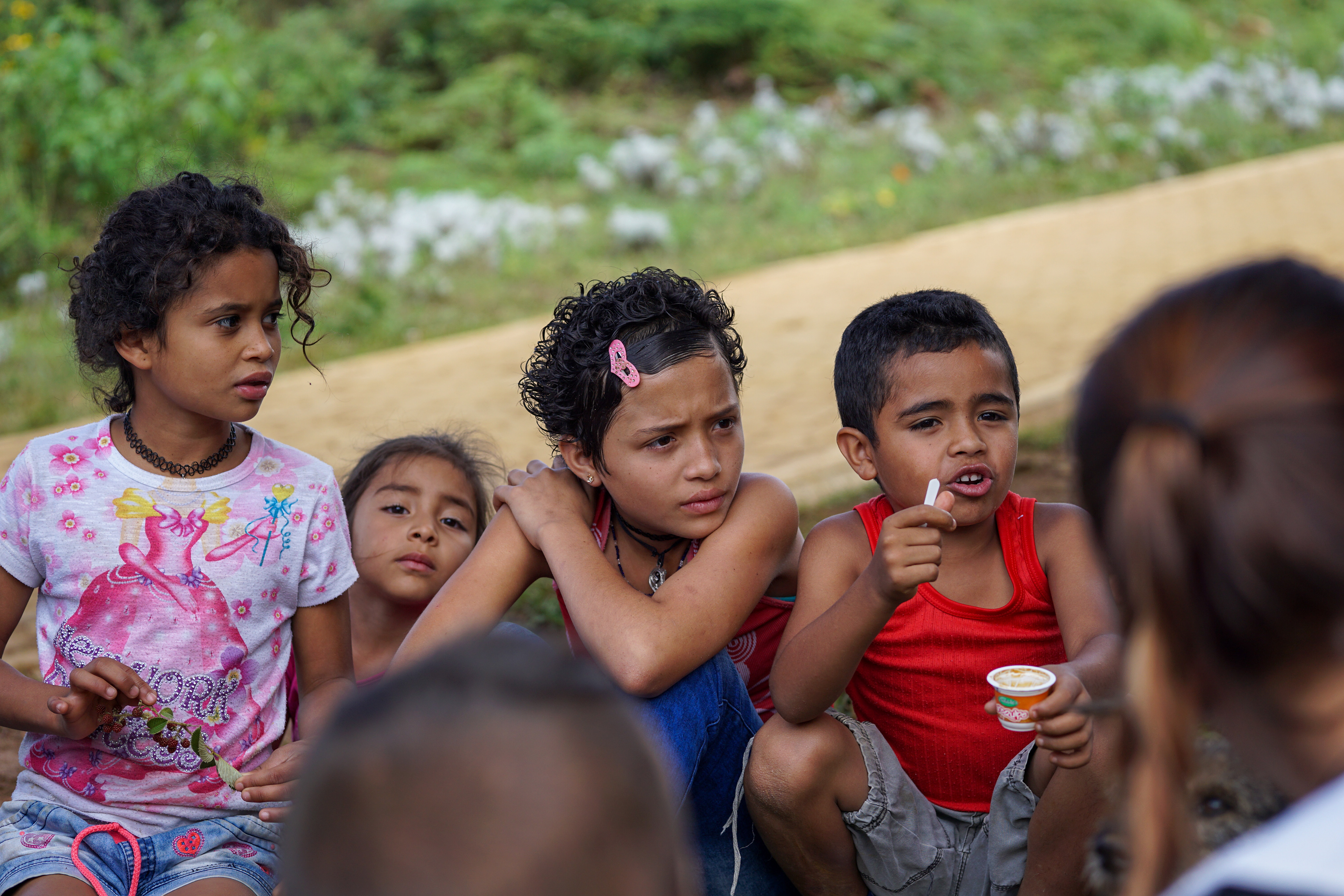
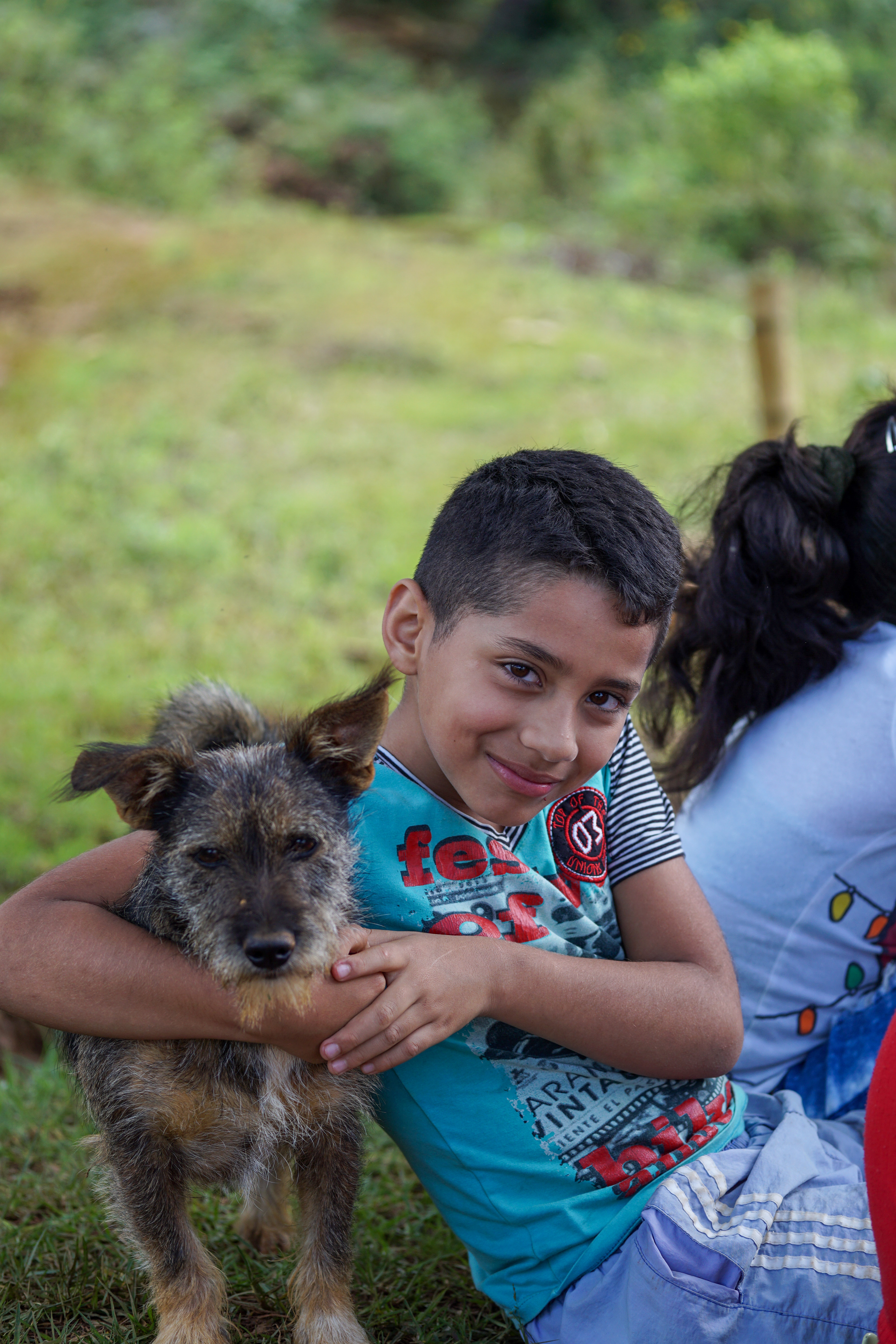
Many people in Colombia are forced to flee because of decades of armed violence involving guerrilla groups such as the FARC, paramilitary organizations, and criminal gangs. According to estimates, more than 7 million people in Colombia are internally displaced, one of the highest numbers worldwide. Rural areas are particularly affected, where violence, forced recruitment, and land dispossession are widespread.
Medellín is one of the most important destinations for displaced people. Every year, tens of thousands move to the city because it is considered relatively safer and offers better access to work, education, and state support. Many settle in the city’s outskirts, where poverty and social inequality remain major challenges.
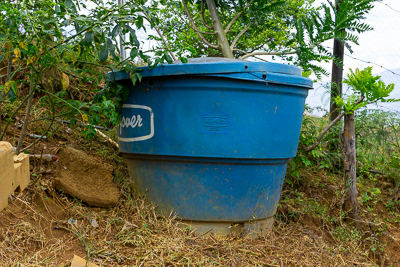
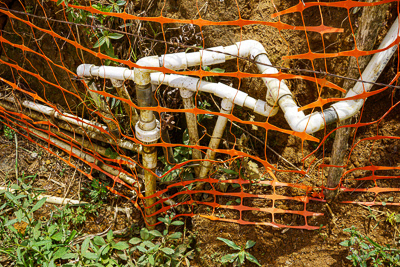
In the outskirts of Medellín, water supply and wastewater disposal are among the most serious infrastructural challenges. Due to the rapid growth of informal settlements, many households are not connected to the official water network. Instead, they rely on improvised pipes, rainwater, or unsafe natural sources, which often leads to contaminated drinking water and health risks.
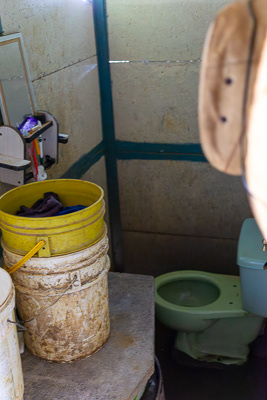
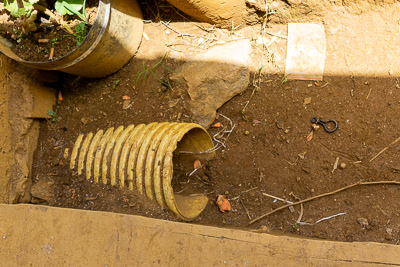
Wastewater disposal is also inadequate in many neighborhoods. In the absence of proper sewer systems, wastewater is frequently discharged untreated into the soil or nearby rivers. This pollutes the environment and increases the risk of disease. Although the city has taken steps to expand infrastructure, poverty, steep terrain, and the informal legal status of many settlements continue to hinder safe and comprehensive water and sanitation services.